We are glad for your visit—and hope you return often. We value you and welcome your comments!
DandelionTea.org, the leader in everything about dandelion tea—and all things dandelion—founded 2008, ranks Number 1 in Australia, Canada, and the United States of America, Number 2 in the United Kingdom.
We relish the idea of you delighting in dandelions. Turn dandelions into tea, or buy dandelion tea—and anything else you find here!—to enjoy with your friends.
The tremendous rise in the economic burden of type 2 diabetes (T2D) has prompted a search for alternative and less expensive medicines. Dandelion offers a compelling profile of bioactive components with potential anti-diabetic properties. The Taraxacum genus from the Asteraceae family is found in the temperate zone of the Northern hemisphere. It is available in several areas around the world. In many countries, it is used as food and in some countries as therapeutics for the control and treatment of T2D. The anti-diabetic properties of dandelion are attributed to bioactive chemical components; these include chicoric acid, taraxasterol (TS), chlorogenic acid, and sesquiterpene lactones. Studies have outlined the useful pharmacological profile of dandelion for the treatment of an array of diseases, although little attention has been paid to the effects of its bioactive components on T2D to date. This review recapitulates previous work on dandelion and its potential for the treatment and prevention of T2D, highlighting its anti-diabetic properties, the structures of its chemical components, and their potential mechanisms of action in T2D. Although initial research appears promising, data on the cellular impact of dandelion are limited, necessitating further work on clonal β-cell lines (INS-1E), α-cell lines, and human skeletal cell lines for better identification of the active components that could be of use in the control and treatment of T2D. In fact, extensive in-vitro, in-vivo, and clinical research is required to investigate further the pharmacological, physiological, and biochemical mechanisms underlying the effects of dandelion-derived compounds on T2D.
The potential health benefits of dandelions in your diet
Dandelions pop up overnight to blemish a perfect green lawn and crowd out the petunias in your flower garden. But instead of going to war with the ubiquitous yellow weeds, you might want to welcome them into your kitchen.
“Dandelions are herbs, and herbs have many health and nutritional benefits,” says registered dietitian Nancy Geib, RD, LDN.
Why should you add them to your diet? Let us count the ways.
Nutritional benefits of dandelions
Dandelions pack a whole lot of vitamins and minerals into a small plant. “They’re probably the most nutritionally dense green you can eat — outstripping even kale or spinach,” Geib says.
Dandelion greens, in particular, are a great source of vitamins and minerals such as:
Besides being chock-full of nutrients, dandelions contain compounds that may help prevent health problems. Unfortunately, scientists don’t focus a lot of attention on wild herbs and plants. More research is needed to confirm everything dandelions can do, Geib notes.
“Still, some research points to several benefits of dandelion,” she says.
Provide antioxidants
Dandelions contain several different types of antioxidants throughout the roots, leaves and flowers, Geib says. Antioxidants protect your body against free radicals — rogue molecules that can damage your body’s cells and make you age faster.
Reduce inflammation
Chronic inflammation in the body plays a role in a long list of serious health problems, including cancer and heart disease. One way to stay healthy is by eating foods that fight inflammation. Add dandelion to your anti-inflammatory diet: Lab studies have found that compounds in these plants can dial down inflammation.
Manage blood pressure
Dandelions are rich in potassium, which makes them a natural diuretic. In other words, they make you pee. Diuretics are often used to help control high blood pressure.
Control blood sugar
Dandelion has been used around the world as a natural way to control Type 2 diabetes. Researchers are still investigating that link, but studies in animals suggest that the compounds in dandelions might help reduce blood sugar levels in people with diabetes.
Lower cholesterol
Lowering cholesterol is a key step to reducing the risk of heart disease. Studies in animals have found that extracts from dandelion roots and leaves can naturally lower cholesterol levels.
How to eat dandelions
“The great thing about the dandelion is that every part of the plant is edible,” says Geib. She shares her tips for preparing this free-range herb:
Greens: Dandelion leaves are on the bitter side, but they have a spicy kick similar to arugula. Try tossing some fresh, washed leaves into a salad. To take the edge off the bitterness, you can also cook them, Geib says. Soak the leaves in cold, salted water for 10 or 15 minutes, then cook them in boiling water until tender (no more than five minutes). Finish by sautéing the boiled greens with some olive oil, onion or garlic. Top with Parmesan cheese.
Flowers: Dandelions’ sunny blossoms give color to a salad. Use them fresh or dried to make dandelion tea — or brew dandelion wine. You can try infusing them into oil or vinegar, too, Geib suggests. (Dandelion-infused oil can also be used to make a salve that’s great for muscle aches.)
Roots: Roasted dandelion roots are used in a tasty drink similar to coffee. You can find dandelion-based coffee substitutes at health food stores.
Dandelion supplements
Can you get the goodness of dandelion from supplements and extracts? Possibly, though the science isn’t clear, Geib says. And since there is not a lot of research on dandelion supplements, there aren’t clear dosage guidelines.
Most foods pack the biggest nutritional punch if you eat them fresh — and dandelion is probably no exception, she adds. But if you’re not a fan of their flavor (or the plants are out of season), talk to your doctor about whether dandelion supplements might be beneficial.
Make sure to chat with your healthcare provider if you take certain medications. Dandelion supplements may interact with some drugs, including:
Lithium.
Blood thinners.
Certain antibiotics.
Diuretics (aka water pills).
Some heart and blood pressure medications.
Should you add dandelions to your diet?
Dandelions have a lot going for them, but there are some things to know before serving them for dinner. You can pick the blossoms right from your yard, “but — if you’re harvesting wild dandelions — make sure you’re picking them from an area you know hasn’t been treated with pesticides or other chemicals,” Geib cautions.
You don’t need to eat them every day to reap the benefits (though you could if that’s your jam). Geib suggests approaching them like any other herb and adding them into the rotation as part of a varied and colorful diet.
“Dandelions are really wonderful for their nutrition and medicinal value,” Geib says. “Don’t be afraid to try something out of the box.”
Springtime recently arrived where I live, with an abundance of dandelions to enjoy. That’s the operative word, “enjoy”! Fresh or dried (and for the roots, roasted), you can’t make dandelion tea the wrong way. Find out your preference. Roasting gives the roots a “coffee” flavor, and a great season to harvest them is autumn, if that’s what you have where you are now. Most of the time I use the roots, leaves, and flower blossoms for tea fresh, just add simmering hot water to the cleaned plant. Of course, fresh has its own taste; find what works best for you. Sometimes it’s worth it to go to the extra steps to achieve a certain taste; other times, “quick and easy” works just fine. Use the plant however you wish, “it’s all good”: raw or roasted, finely chopped or… sometimes I use hot water to extract some of the goodness on the whole entire plant (not chopped), and then eat the cooked plant afterwards. Lots of sauces dress up the dish if you don’t want it plain. Yesterday, for instance, Hollandaise sauce made a great topping. I would love to hear your favorites! I have dried leaves on a window screen and also have used a dehydrator. For many thousands of years before dehydrators, people have loved eating dandelions! And they each can share their favorite recipes! One fun thing you might like is to ask people and see what they say! I did that yesterday and heard about “wilted dandelion salad” with mushrooms. Included in the feedback will perhaps be stories from childhood or previous generations. You might discover a treasure trove! And I would love you to write and share! Ruth
Thanks to Canadian singer Allan Rankin for granting permission to use his song for the video, Don’t Kill the Dandelion. Allan Rankin is a Prince Edward Island singer-songwriter, former senior public servant, and writer. Over a career spanning more than thirty years, Allan held senior positions in the provincial government, and also worked as a policy adviser in Ottawa. Be sure to check out his website.. http://www.theislandheartbeat.com/
Some of the many traditional benefits of dandelion tea, just for starters:
Dandelion tea tastes good (especially with a sweetener like honey or sugar—or, a good taste with a no-carbohydrate choice, like xylitol).
Dandelion tea benefits your health (in fact, it’s very good for you)—as health enthusiasts world wide can attest for this delicious herbal remedy.
Dandelion tea forms a prime medical ingredient in over half the phytonutrient blends on the market (weight loss, rejuvenation, detoxification; digestive, liver, kidney, & skin supplements).
Dandelion tea uses include as an ingredient in cooking.
Dandelion tea aids in digestion, and functions well to relieve digestive disorders like constipation and diarrhea.
Dandelion tea works great to purify the blood and cleanse the system.
Dandelion tea enhances detoxification, by stimulating urination and, in addition, by replacing the potassium lost in that process.
Dandelion tea is one of the most effective herbs for getting the bloat out and helping relieve water retention.
Dandelion tea has specific action inreducing inflammation, of the gall bladder and of the bile duct, and for rheumatism and arthritis.
Dandelion tea improves the function of and maintains optimum liver, kidney, pancreas, spleen, stomach, and gall bladder functions.
Dandelion tea helps in treating chronic hepatitis and jaundice disorders, and encourages healing of damaged tissues caused by alcohol liver disease.
Dandelion tea helps reduce high cholesterol.
Dandelion tea contains antioxidants that help your body fight off toxic bacteria and viruses.
Dandelion tea helps with weight control—especially with weight loss.
Dandelion tea strengths incorporate well into muscle building programs for weight lifters.
Dandelion tea actively ameliorates disease—it is a potent disease-fighter—and helps the body heal, helps boost immunity, and combat cancer, heart disease, and age-related memory loss.
Dandelion tea aids health maintenance for people suffering from Type-1 and Type-2 diabetes.
Dandelion tea transfers magnificent amounts of minerals and vitamins: A, C, D, E, & B complex, calcium, potassium, magnesium, iron, zinc, manganese, copper, choline, and boron, etc. when infused in hot water.
Dandelion tea can be made solely from the blossoms, the leaves, or the roots (roasted or not)—or, the entire plant.
Dandelion tea is traditionally served plain (as is), and also made into other beverages—like ale, beer, “coffee”, and wine.
Dandelion tea as a face wash cleanses complexion, improves skin clarity.
Dandelion tea makes a great bath addition, especially when made from older, stronger (tougher) leaves.
Dandelion tea can serve as an inspiration for a great tea party!
Making dandelion tea by gathering fresh plants is good exercise (and, some people say, improves the look of your lawn).
Composting spent dandelion tea blossoms, leaves, and/or roots, after drinking your dandelion tea, improves soil composition.
Are you ready for Dandelion Tea? Do you want its health benefit rewards?
You can purchase it on our site now for a reasonable price!
Tea, the world’s second most commonly consumed beverage, ranks next to water.
We welcome your comments! We want to hear how dandelion tea benefits you!
People can brew whole dandelion plants or use just the leaves, roots, or stems to make tea. Dandelion tea is very high in vitamin A and may offer many health benefits.
People can brew dandelion tea at home or find it in health-food stores. It is also available to purchase online.
Dandelion teas vary in their nutritional content because people use different quantities of plant material to brew them, and some manufacturers add other ingredients to the drink.
In this article, we look at the possible health benefits of dandelion tea and discuss some of the research on this plan
Possible benefits of dandelion tea
Dandelion tea contains nutrients, such as vitamin A, that can be beneficial to a person’s health. We explore the potential health benefits of this beverage in more detail below.
Alternative hot beverage
Dandelion tea offers an alternative for people who want to stop drinking caffeinated beverages, such as coffee and black tea, or limit their daily consumption
Anti-inflammatory effects
Research suggests that all parts of the dandelion plant contain many natural anti-inflammatory and antioxidant compounds.
Doctors believe that inflammation plays a role in many types of disease. Although there is no proven link between drinking dandelion tea and a reduction in inflammatory-related diseases, it is possible that the compounds in this plant could promote better health overall by reducing inflammation.
Cholesterol-lowering effects
According to a 2012 study in Nutrition Reviews, dandelion may reduce hyperlipidemia in rats. Hyperlipidemia is an abnormally high level of lipids, which include cholesterol, in the blood.
The researchers noted decreases in the levels of both triglycerides and total cholesterol in rats who ate dandelion flower extracts.
The theory is that dandelion extract has an inhibitory effect on pancreatic lipase, an enzyme that is key to digesting fat. Restricting this enzyme’s activity could alter the way in which the body absorbs fat. However, there is no proof of this occurring in humans.
Reducing liver damage
According to the National Institutes of Health (NIH), people have used dandelion in traditional medicine for years, believing that it can treat health problems relating to the liver, gallbladder, and bile duct.
According to the Nutrition Reviews study, dandelion root lessens the extent of liver damage in rats. Again, there is no scientific evidence to suggest that this could work in humans.
Diuretic effects
Dandelion also has a history of use as a natural diuretic, according to the NIH. Its diuretic effect means that the tea encourages both urination and reduced water retention in the body.
Drinking more of any beverage will typically encourage fluid release because the kidneys maintain water balance in the body.
It is possible that dandelion may help the kidneys release more water to reduce sensations of bloating and discomfort, but this is not clear.
Drinking dandelion tea, or another nonalcoholic beverage, to occasionally encourage urination is unlikely to be harmful.
An article in Virology Journalthat discusses the role of dandelion extracts and teas in traditional Chinese medicine notes its use as a treatment for urinary infections.
Fighting flu
The same study uses in vitro testing to look at the effect of dandelion extracts on human influenza virus A.
The extracts led to a reduction in virus levels, and there were no harmful effects on healthy cells. However, more research is necessary to determine whether the extracts would be effective in humans.
Dandelion tea cannot substitute the flu vaccine, but it may ease symptoms or help recovery.
Risks
It is important to note that some people have allergic reactions to dandelion root and teas. The NIH warn that people are more likely to be allergic to dandelion if they are also allergic to similar plants, including:
ragweed
chrysanthemum
marigold
daisy
Anyone who reacts to these flowers should drink dandelion tea with caution or avoid it altogether.
Takeaway
Dandelion tea can be a tasty and nutritious alternative to coffees and teas containing caffeine.
Although animal and laboratory studies have shown that this beverage has many potential benefits, there are no large-scale human studies to confirm its effectiveness in improving health.
People who are not allergic can use dandelion tea to supplement a healthful lifestyle.
Dandelion tea is available for purchase in health food stores and online. (Like dandeliontea.org !)
Move over green matcha tea. Sure, your antioxidant portfolio is impressive.
Same goes for you, too, chamomile: scoot your boot, even though you’re great at inducing a relaxing night’s sleep.
In fact, all you herbal tea remedies, clear the way. Gotta make room because of the organic dandelion root tea benefits.
Let’s jump right in and take a look at this herbal remedy that’s been in used in the Far East and Indian subcontinent for over 2,000 years.
FIGHTING COLON CANCER
This study concludes Taraxacum Officinale, (the botanical name for dandelion) causes cancerous and aggressive in the colon-rectal tract to die.
Yup, the same weed that’s a bane to gardner’s everywhere, though a delight to children, who enjoy blowing the dried seeds, has promising potential as a cancer-fighting ingredient.
In lab settings, dandelion root extract has shown the ability to kill several several cancer cell models.
And even better news for fans of herbal medicinal teas….
It shows no toxicity to non-cancer cells.
For this particular study on colorectal cancer, the extract led to the destruction of at least 95% of colon cancer cells. And it did so within 48 hours of treatment with the extract.
There’s also at least one human study that confirms these results.
The researchers of the study conclude it can be a non-toxic and effective anti-cancer alternative. Furthermore, it can be instrumental for reducing the occurrence of drug resistance to cancer cells.
ORGANIC DANDELION ROOT TEA BENEFITS: FIGHTS SKIN CANCER
Melanoma is a malignant tumor indicating skin cancer. It’s notoriously resistant to chemotherapy.
And of all the cancers, skin cancer is one of the most difficult to treat. That’s because there’s few options.
One conventional treatment is surgery to remove the tumor. But the tumor requires early detection. Furthermore, there’s chemo and immunotherapy.
But these methods don’t have impressive success rates when it comes to skin cancer. Plus, they can cause side effects.
However, this study suggests dandelion root extract (DRE) targets human melanoma cells and triggers their death. And like the colorectal cancer study, it does so without causing harm to noncancerous cells.
This study looks at DRE (don’t confuse this with Dr. DRE, the rapper; refer to the acronym above) to see if it’s effective for lowering cholesterol.
For the experiment, the researchers divided a group of 28 rabbits into four groups.
Seven bunnies ate a normal diet (presumably, carrots). Another group ate a high-cholesterol diet (deep-fried carrots?). Group three were also fed a high-cholesterol diet but also dandelion leaf.
As for the last seven bunnies, it’s the same as group three, except for dandelion root instead of leaf. The findings suggest cautious optimism for organic dandelion root tea benefits.
The rabbits in both the dandelion leaf and roots groups show an increase in antioxidant enzymes. That means they have more resistance to diseases that are the result of hardening of the arteries.
One might assume that the roots or leaves from the herb has no effect on the rabbits. After all, the high-cholesterol diet likely negates any positive effects from the herb.
However, interestingly, the bunnies fed a high-cholesterol diet with dandelion all had better cholesterol and triglyceride levels. (Triglycerides were significantly lower in the dandelion root group.)
Atherosclerosis, a hardening of the arteries, is a disease that causes over 19 million deaths annually. Can drinking a tea with this herb prevent it?
The reason for cautious optimism is that the study involves rabbits and not humans. Nonetheless, it is encouraging for future studies.
Another possibility for the list of organic dandelion root tea benefits from this study: more SOD. SOD is a natural antioxidant in the body.
The more SOD you have working in your body, the less likely you will develop a disease.
SOD levels in the rabbits were higher in the liver. This offers some backing to the herb’s use in Chinese medicine for clearing the liver.
TREATS FLUID RETENTION
Edema is swelling in the body’s tissues. The reason why the tissues swell is because of fluid retention.
In this pilot study on people, dandelion leads to a significant increase in the frequency of urination in the five-hour period after the first dose.
The researchers point out that in French, the herb is known as “pissenlit.” Notice the first part of the word. The researchers conclude its an apt, colorful description of its diuretic activity.
According to this scientific review, the herb also possesses anti-depressant and anti-inflammatory properties.
Historically, its uses are numerous: digestive disorders, as well as complications of the uterus, breast and lungs.
In the Middle East, traditional uses include treating spleen and liver ailments. Native American nations, says the review, use it to cure indigestion, heartburn, and kidney disorders.
Other traditional societies around the globe even use it for skin problems.
In Chinese medicine, its name is Pu Gong Ying. And it’s in a category of herbs that clear excessive heat and purge fire.
To put it another way, Chinese medicine doctors (and acupuncturists) use it to detoxify.
As for its applications in Chinese medicine, it reduces abscesses and dissipates nodules. In addition, it treats eye redness and swelling.
In Chinese medicine theory, the liver organ system opens in the eyes. It’s easy to see a manifestation of this in western medicine: jaundice.
When someone has yellow eyes, it’s an indication of a liver problem. Thus, both in eastern and western medicine, this herb can treat liver diseases such as cirrhosis.
Another of its uses in Chinese medicine is unblocking painful urinary dysfunction. The above study on edema offers at least a little validation of this traditional use.
And because excess heat can accumulate in the lungs, it’s possible it can treat sore throats and upper respiratory tract infections.
As for side effects, it’s generally safe for most people. However, excess use can cause diarrhea.
DANDELION ROOT EXTRACT
Because of its ability to clear the heat and toxicity, it may help relieve constipation and headaches. Also, it may help treat gout, and help digest dietary fat.
And if you’re addicted to caffeine, it may serve as an effective substitute for coffee.
DANDELION SUPPLEMENT
If your diet is low in potassium, a dandelion supplement (as well as the greens you eat in a salad) is a decent source of it. It also contains the B vitamins as well as vitamins A, C, and D.
A supplement will also contain other important minerals and trace minerals.
A typical dosage of dandelion root is anywhere from two to eight grams, three times daily of dried root. Or 250 mg, 3 to 4 times daily of a 5:1 extract. You can also take 5 to 10 ml, 3 times daily of a 1:5 tincture in 45% alcohol. [SOURCE]
(NaturalHealth365) Those bright yellow weeds blooming all over suburban lawns each spring may soon be known as more than just a springtime nuisance. A proposed clinical study will look at the potential cancer-killing properties of dandelion root extract in hopes of mirroring the promising results already seen in lab studies. Dr. Siyaram Pandey, professor of chemistry and biochemistry, University of Windsor, and principal research investigator on the project, is recruiting 30 cancer patients to take part in the study, which will take place at the Windsor Regional Cancer Centre. The clinical trial follows lab studies in which dandelion tea, containing dandelion root extract, showed promise in the fight against cancer.
The benefits of dandelion tea revealed
Dandelion tea has been prized for years by proponents of natural and alternative health remedies for a number of reasons. It has been shown to enhance detoxification, by stimulating urination and replacing the potassium lost in the process. Even more noteworthy, dandelion tea is widely known as a potent disease-fighter, credited with boosting the body’s immune system and helping the body to heal, while combating heart disease, combating cancer and reducing the effects of aging.
Scientific studies highlight the power dandelion tea
The proposed clinical study, which will take place at the Windsor Regional Cancer Centre, will involve patients with end stage blood-related cancers, such as lymphoma and leukemia. The study will address the question of whether results of the clinical trial will mimic the earlier lab test results, where dandelion tea containing dandelion root extract was shown to kill cancer cells. During the lab tests, researchers studied the effects of the dandelion tea formula on a number of commercially available leukemia cells. The team found that the dandelion tea caused cancer cells to destroy themselves, known as apoptosis. As part of the process, the research team created a new company, Windsor Botanical Therapeutics, in order to gain the ability to form a contract with a licensed Health Canada drug manufacturer for the purpose of creating the dandelion extract that can be used clinically. Dr. Pandey says the first phase of the clinical study is part of the overall Dandelion Root Project, an effort designed to bring to light the scientific evidence for using dandelion root extract and other natural health products in a safe, effective way to combat cancer.
Is Canada going to set an example for the rest of the world?
This phase of the clinical trials already have the blessing of Health Canada in 2012. The end goal of this early stage will be primarily to determine the correct dose necessary to impact cancer cells. The research got under way after Dr. Pandey was approached by an oncologist who noticed that cancer patients drinking dandelion tea were improving. The results have been promising enough to attract financial support via grants from philanthropists. Only time will tell if this information can get out to the general public. There are many people – within the pharmaceutical industry – that want to keep the public in the dark. It’s up to each and every one of us to spread the word. People need to learn more about the healing power of dandelion tea plus many other substances within the plant kingdom.
The information provided on this site is intended for your general knowledge only and is not a substitute for professional medical advice or treatment for specific medical conditions. You should not use this information to diagnose or treat a health problem or disease without consulting with a qualified healthcare provider. Please consult your healthcare provider with any questions or concerns you may have regarding your condition..
Just about everybody knows what a dandelion is. In the western world it is a weed, but in many other societies it is an important herb that is used to treat many common diseases and conditions of the human body.
It is also a food, being used in salads and the roots are also used by some as a coffee substitute the same as chicory. It is also used to make a herbal tea, and most people have likely heard of dandelion tea. However, its medicinal properties are not so well known, even though it has been use for hundreds, if not thousands, of years for the treatment of many conditions including those associated with the gall bladder, liver and kidneys.
However, that is not all, and there are several more traditional uses of dandelion in the folk medicine of many different countries including conditions as diverse as water retention and eczema. So, taking all of this into consideration, what exactly are the main benefits of dandelion to the body and what is it that provides these benefits?
Dandelion contains its fair share of minerals and vitamins, and is rich in vitamin C of course, with its strong antioxidant properties. It also contains the antioxidant vitamin A together with several B vitamins and the sunshine vitamin, vitamin D, which is so important for the absorption of calcium by the kidneys and into the bone structure. The minerals it contains is like an encyclopedia entry of minerals important to the human body. It’s not so much what minerals dandelion contains, as what it doesn’t contain.
The list includes phosphorus, iron, magnesium, calcium, potassium, silicon, manganese and boron, and the organic nutrients include lecithin, carotenoids, terpenoids, tannins, sterols, choline, inulin, aspargine and so on. It would take a whole book to describe the health benefits of each of these, but an attempt will be made later to discuss the more important of them.
Suffice it to say that the list contains antioxidants, anti-inflammatories, and substances that help to reduce blood cholesterol levels and also maintain the health of your blood and major organs. However, the effect of dandelion on the liver and the digestive system are due largely to substances known collectively as taraxacin. That is what gives dandelion its bitter taste.
What was once known as taraxin, is now known to consist of sesquiterpene lactones known as eudesmanolide and germacranolide, which although claimed to be unique to the dandelion, are very similar to other sesquiterpenes found in chicory. In fact, dicaffeolquinic acid and chicoric acid (dicaffeoyltartaric acid) have been found to comprise a significant proportion of the extract from dandelion roots, together with a number of phenolic acids and flavanoids. Each of these, of course, is important and effective antioxidants, responsible for many positive health effects in the body.
Among the more important of these is the stimulation of the circulation of the blood throughout the body. The sesquiterpenes are also believed to support the activity of the pancreas, and the presence of so many strong antioxidant species within the leaves and roots of the dandelion explains the traditional use of dandelion for the treatment of inflammatory diseases.
Antioxidants support the immune system that causes inflammation when it is under stress. Studies of rats have indicated that dandelion is effective in reducing acute pancreatis, which is itself an inflammatory condition. The large querticin glycoside and flavanoid content of dandelion root extract posses anti-inflammatory properties, and suddenly dandelion is beginning to take on the appearance of a ‘wonder plant’.
However, let’s get away from the technical stuff for a while, and check out exactly what you can use dandelion for. Pregnant and post-menopausal women can gain the benefit of all these nutrients detailed above by taking dandelion extract, and it also has a diuretic effect. Although mild, this can help to remove excess water from the body, and helps to reduce blood pressure and the effects of heart problems. LDL cholesterol levels can be reduced by virtue of its anti-oxidant properties, and can help to resolve minor digestive complaints.
Traditionally it is claimed to have been used as a laxative and a cure for rheumatism. The latter can be explained by its antioxidant effects, and the way the sesquiterpenes reduce the inflammation associated with rheumatism. It is this inflammation of the tissues that causes so much of the swelling and pain of rheumatism and arthritis. Anti-inflammatories help to reduce this effect.
Dandelion is also believed to stimulate the flow of bile from the gall bladder to the duodenum, and help promote the digestion of fats and oils, thus alleviating many of the digestive problems associated with a fatty diet. This also appears to have the effect of stimulating the appetite, and dandelion juice is frequently drunk before a meal for these reasons. It is believed to help bladder and kidney stones, and also helps to alleviate infections of the urinary tract.
Although dandelion is normally safe to take, those with problems associated with the bile ducts should not take it, and if you are already on diuretic drugs, or any medicines designed to lower your blood pressure, you should stay clear of dandelion extract. The same is true if you are taking lithium for manic depression since some of the components of dandelion juice can exaggerate the side effects. It is also recommended that diabetics do not use dandelion extract, and neither should anyone on blood thinning drugs such as Coumadin, or any other form of warfarin.
Although dandelion can be a very effective natural remedy for many conditions, you should always refer to your physician before taking it, since it could interfere with any medications you are currently taking. Your doctor might also be aware of certain medical conditions you have that, while you are not being treated for, could deteriorate in the presence of one of the constituents of dandelion extract.
Although all of this could suggest that dandelion is dangerous to take, in fact what it indicates is that it is very effective against many conditions, and that taking it could lead to the effects of an overdose of the treatment you are already on. Had it not so many contra-indications, dandelion wouldn’t be as effective at doing what it does.
About the Author More information on dandelion root tea is available at VitaNet ®, LLC Health Food Store, vitanetonine.com.
“Siyaram Pandey, a biochemist at the University of Windsor, has been studying the anti-cancer potential of dandelion root extract for almost two years.
His team’s first phase of research showed that dandelion root extract forced a very aggressive and drug-resistant type of blood cancer cell, known as chronic monocytic myeloid leukemia, to essentially commit suicide.
Researchers then discovered that repeated treatment with low dose dandelion root extract was effective in killing most of the cancerous cells”
When life gives you lemons make lemonade. If you lawn gives you dandelions, make dandelion tea! [common dandelion Taraxacum officinale]
PREPARATION
Once you pick the dandelion greens, wash them thoroughly to remove dirt particles.
When clean, store them in a plastic bag which has holes punched for circulation, keeping them cold and humid. Use them as soon as possible, since greens are quite perishable.
Select young, tender leaves for the tastiest dandelion tea.
Individual portion
Pour:
1 cup boiling water
Over:
1 teaspoon dried dandelion leaves
For a pot of tea
Pour:
1 cup boiling water for each person
Over:
1 teaspoon dried dandelion leaves for each person
Throw in:
1 teaspoon dried dandelion leaves “for the pot”
Cover and let steep 3 minutes. Stir and let steep another minute.
Serve with your choice of:
(lemon)
(orange)
(mint)
(honey)
Or, buy some Dandelion Tea Bags now
Notes:
Use a non-metal pot, if possible.
Never boil tea.
Would you like a cup of dandelion tea? Well, does the cup come with a dandelion pattern? And how about your tablecloth, placemats, napkins? Do you know a company called Dandelion makes eco-friendly dandelion blossom yellow forks, spoons, and bowls? Dandelions decorate the world in many ways. Smile – and discover your favorites!
We strive to bring you all family-friendly things dandelion on these pages, and hope you return to browse – and shop, if you like, and we hope you do – often!
When I bought my Nokia cell phone, the first thing I did was choose this dandelion picture as the wallpaper:
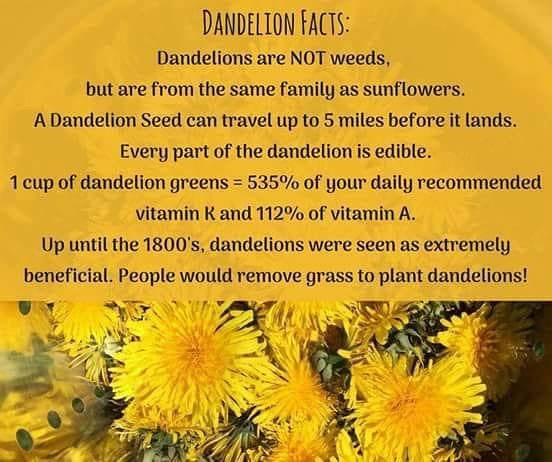
Early European settlers so valued the versatile dandelion plant as a food source and a medicinal herb that they introduced dandelions to the Americas. Wonderfully nutritious — more beta carotene than carrots, more iron than spinach, an abundance of vitamins, as well as magnesium and zinc — dandelion leaves contain 15 percent protein. One cup of dandelion greens contains 112% of our daily recommendation of vitamin A, 32% of vitamin C, and 535% of vitamin K, a magnificent 218 mg potassium, 103 mg calcium, and 1.7 mg iron. The whole dandelion plant has nourishing, healing properties for us – and for birds! The dried herb is used in manufacturing bird food, as it is good for their health and digestion. Water is also good and healthy. Dandelion and water, hmmm…
Dandelion Tea – A Recipe for the Birds!
Heat two cups of water in a pot on the stove. Drop in a tea bag; dip it up and down a few times to get it good and wet. Cover the saucepan 10 minutes or so to steep and cool. Uncover the saucepan, dip the tea bag up and down a few more times, and then squeeze the water out of the tea bag. Let it cool. Make sure the temperature of the tea is not higher than 100 degrees Fahrenheit; ten degrees Fahrenheit hotter will burn their crop. Simply pour it in a water bowl after it cools down, and offer it in addition to plain water.
Or, harvest dandelions from ground not treated chemical fertilizers, herbicides, or pesticides for the past few years. The whole plant can be picked or pulled; wash well to remove any dirt. Boil a quart of water on the stove. Reduce heat; add two tablespoons of cleaned and chopped fresh dandelion roots to the water; cover and let simmer a minute. Remove the pot from the burner. Add two tablespoons of freshly picked and chopped dandelion leaves and – hopefully – flowers; let steep forty minutes. Strain and “serve”.
You can drink 2 cups of this herbal dandelion tea a day – especially if using the flowers. Dandelion flowers are good for your heart. Dandelion flower tea can help relieve pain from headaches, menstrual cramps, backaches, stomachaches, and depression.
Note: some seed companies sell “Italian Dandelion” seeds that are really chicory, a plant with milder leaves similar in appearance to dandelion; however, this does not offer the benefits that real dandelions give.
Cellulite is of cosmetic concern to women and is not associated with any health risks. Poor circulation of the lymph which carries waste products and toxins from the different tissues to the blood contributes to cellulite formation. There are many natural methods for getting rid of cellulite, herbs being one of them. Herbs are medicinal plants, used to strengthen weakened body systems and boost the body’s own healing powers.
Here are some herbs that have been used in the treatment of cellulite removal:
1) Gotu kola is a herb with stimulant properties. It helps the body to produce substances that strengthen the collagen fibers and improve the circulation of blood. Gotu kola reduces and slows down the process of hardening of connective tissues below the skin surface. It strengthens the vein walls, thereby preventing damage and leaking veins. It improves the flexibility of the connective tissue. This in turn improves the skin tone and firmness. The extract of Gotu kola can be used in cream, supplement, and as mesotherapy injection forms for cellulite treatment.
2) Horse chestnut is a herb with anti-inflammatory properties. One of its components, Aescin, decreases the poresize of the capillary walls and improves their tone thereby improving blood flow. This improvement in the tone of the capillaries under the skin reduces the appearance of the cellulite and smoothens the skin. This makes Aescin in the horse chestnut a valuable component in hand creams, lotions, and other cellulite products.
3) Grape seed extract reinforces the fibers of collagen, is an antioxidant and helps to maintain the elasticity of the blood vessels. It also contains flavonoids and tannings that strengthen the walls of small veins and lymphatic vessels – it improves circulation from the legs thereby preventing cellulite development.
4) Ginkgo biloba is a vasodilator which boosts circulation. It acts as an antioxidant and reduces the formation of damaging oxidized cholesterol on the vessels and thus helps in the smooth passage of blood.
5) Kelp with its high iodine content boosts the body’s metabolism and helps to burn more calories. It also contains mucilage, a natural compound that prevents fluid retention. It is often used in cellulite treatment as body wraps.
6) Green tea is a plant extract that has antioxidant and blood thinning effects. One should have atleast one cup a day of green tea.
7) Some herbs like dandelion enhance the liver’s ability to break down waste products and toxins. It also aids the kidneys to filter blood of these waste products and toxins. Dandelion leaves can be added to salads or cooked like spinach. A cup of dandelion tea each day containing 50 Gms of fresh dandelion leaves to half a liter of water.
8) Sweet clover, sea-weed, lecithins, evening primrose oil, lemon, ivy barley, strawberry, algae etc are also some of the herbal methods to reduce cellulite and improve the skin texture in the affected areas. They are to be rubbed in the affected areas three to four times a day daily.
Herbal remedies help improve the flow of blood and tone the capillary walls under the skin surface thereby improving the skin texture and reducing the cellulite.
A healing herb, dandelion contains a rich abundance of calcium, which constitutes fifty percent—or more—of the mineral elements in a human body. Concentrated in bones and teeth, this macronutrient is essential in blood and muscles. A one hundred fifty-pound person has approximately threepounds of this mineral. Calcium works together with Vitamin D to make dense, strong bones. High in calcium, ounce for ounce more than milk, and with a wealth of other nutrients, dandelion makes a long-time favorite choice for tea.
Dandelion is also loaded with calcium in the form of healthy mineral salts, which quickly alkalinize acidic blood. The rich combinations of calcium potassium salts in dandelion chemically “strip”harmful bacilli from moist mucosal tissue in the lungs; compounds in dandelion leaves (xanthophyll and lutein) help disinfect the lungs, making it much harder for toxic bacilli bacteria to remain there. The enormous vitamin A and calcium content in dandelion acts as an effective antibiotic and minimizes any viral activity by boosting immune defenses. Immune cells in a healthy person become active upon detection of intruders, like foreign microbes, and a rush of calcium ions activate the immune cells.
Dandelion has all the nutritive salts (bicarbonate, calcium, chloride, magnesium, potassium, phosphate, and sodium electrolytes); these help purify the blood and destroy excess acid.These natural ionic compounds are important to sustain life because mineral salts comprise part of every fluid and structure in the human body.
To make your own tea, read How to Pick Dandelions for Dandelion Tea; use six dandelion leaves per teacup. Tear the leaves into strips and drop them into the bottom of the cup, fill with boiling water, and let stand for 5-10 minutes. Strain if desired, and sweeten, if you wish, by stirring in a teaspoon of honey or sugar.
Unsweetened cooled dandelion tea makes an effective skin wash, applied to minor scars and inflammations.
Drinking dandelion tea can give the body a “natural high” or incredible sensation of energy, giving a “grounded” type of energy without unwanted side effects like from caffeine, calcium that helps keep your energy levels high!
Dandelions are a dark leafy green with wonderful roots, a very rich source of vitamins and minerals. This herbal chai also makes a delicious hot or iced latte! Follow the enticing fragrant bouquet with your nose – feel potent health benefits right to your toes.
Simmer 8 to 10 minutes over medium heat: 2 c. water
3 Tblsp. roasted dandelion root, or 3 dandelion roasted root tea bags
pinch cinnamon (or, a cinnamon stick)
ginger root (ground, or, even better, chopped, with skin)
and add your choice of:
• (anise seed)
• (bay leaf)
• (black peppercorns)
• ([green] cardamom seeds, crush slightly)
• (cloves)
• (orange peel, dried)
• (raspberry leaf, dried)
• (fennel seeds)
• (peppercorns)
• (star anise)
• (vanilla bean)
• (licorice root)
Strain the tea using a fine filter. To this add: honey, a spoonful
(soy) milk, to taste
Heat again on a low flame, and do not boil.
Enjoy iced, or as a hot beverage.
Go all out for Spiced Dandelion Tea! Starting with a quart of water, simmer all but the dandelion, honey, and milk for 45 minutes, uncovered, add the dandelion, and then simmer another 15 minutes. Strain, sweeten, add milk, and serve.
Dandelion Sun Tea is a popular way to brew tea, a drinkable form of enjoying fabulously famous healthy raw foods. You get the great benefits that dandelion tea offers for cleansing your system, without heating your kitchen! A nifty method to harness the energy of the sun and make a zero-calorie beverage:
Dandelion Sun Tea (Sunlight is not necessary… you can make this tea in the refrigerator, too!)
4-6 dandelion tea bags (or loose tea, or clean fresh plants)
1 quart water
Select a 2-quart glass container scrubbed in warm, soapy water. [As an extra precaution against bacteria found in tap water that can turn up in sun tea, dip the container into a weak solution of 1½ teaspoons (or up to 1 tablespoon) bleach to a gallon of water.] Add the water and the dandelion tea bags (or, loose tea); cover. Put in a place where sunlight will shine on the container 3 hours—4 maximum—moving the container if necessary to keep it in the sun. When the tea reaches the strength and flavor you like, it is ready (as it is not steaming hot, you may like it iced). Refrigerate leftovers, with or without removing the tea bags — as you like. Drink within a day.
You may find the taste of sun tea more mellow than tea steeped in water brought to a boil: boiling affects water acidity, and slow seeping coaxes out a slightly different flavor. You might garnish with a sprig of fresh mint, maybe sweeten.
It is possible gentle warmth may brew more than sun tea: warm tap water can facilitate a marvelous medium for microbes (Alcaligenes viscolactis). Discard cloudy, thick, or syrupy sun-brewed tea; bacteria tendrils form ropy strands.
Add a cinnamon stick, whole cloves, and perhaps pepper, if you please, at the start; dandelion properties also provide awesome anti-bacterial power, including inhibiting bacteria growth. With Dandelion Chai – Spiced Dandelion Root Tea you get your wonderful health benefits and a welcome chai spice flavor.
Form English (or Australian!) words from “dandelion tea”? Use no abbreviations, no proper nouns or pronouns, no improper words, no informal alternate spellings (like nite for night), and no slang. All the letters, organized for your convenience: consonants: d d l n n tvowels: a a e e i o
How many words can you make in 1 minute? Take the challenge & play! Answers:
A A: a (ad) add addle ade aid aided ail ailed ale alit alone alto an anal and annal anneal anoint anointed anon ant ante anti at ate atone atoned
D D: dale dandelion dead deaden deal dealed deed del [vector differential operator] (deli) delta deltoid den denote denoted dent dental dented dentin dial dialed did die died diel diet dit dite dited dine dined do doe don donate donated done donned dot dote doted dude [ranch] dun dune
E E: eat eaten edit edited eel el elated elation eld elite ell end ended entail entailed eon
I: id ide [fish] idea ideal idle idled in inane indeed indolent inlet inn innate ion iota it
L: lad laden laid lanate land landed lane laned late lateen latin lead leaded led lei lend lended lent let lid lie lied linden line lined lint lion lit load loan loaned lode loden loin lone lot lotion lotioned
N N: nada nail nailed nat nation national neat neaten need neon net nil nit no nod node noel non none not note noted
O: oat odd ode oil oiled oint old olden (oleo) on one
T: tad tail tailed tale talon tan tanned tea teal te [note] ted tee teed teen teil [tree] ten tend tendon tenet ti [note] tiddle tide tided tidal tilde tile tiled tin tine tined tinned toad toddle toil toiled told ton tonal tone toned tonned
Try making a sentence—or phrase—or two, if you like! It landed and no one noted it. … a tail on a lion …a dial tone...
Phrases using each dandelion-tea letter once: nation dealed;national deed…
We hope you add to our dandelion-tea word game and welcome your comments!
Eighth Most WantedWHAT? Summer Brew! Whew! The news reports that Fantôme Pissenlit, from Belgium, is actually a very good beer. I personally would not know, although I loved visiting Belgium; I do not drink beer, but my husband does—ask him! Why beer on a tea site? This beer is made from… you guessed it! …dandelion tea!!!
In a Jul 15, 2009 post in Inventor Spot, Serious Fun for the Inventor in All of Us, “Don’t let the fact that dandelion tea is the basis for the Pissenlit, which is usually made with barley malt and hops. ( ‘Pissenlit’ means ‘piss in the bed’ in French, and uncooked dandelions are said to have a diuretic effect.) A peppy Belgian brew that pours amber, the flavor is described as acidic or very citric, depending on the reviewer. Orange makes a strong appearance as does spice.”
Come springtime, workers get to harvesting bushels of dandelions from the fields around the scenic farmhouse brewery. They remove the yellow flowers to dry in the sun, and then soak them a few days in water. They ferment the thick, dark dandelion “tea” and transform it into Pissenlit, a traditional drink also made from barley malt and hops. The result resembles a classic saison ale: golden and spritzy, strong and flavorful, having a distinctive hop bite. Even if it’s a strain to taste the brewed dandelion tea, it’s definitely in there in the bottles.
Gives a whole new meaning to “tea time”!
Beer is a beverage imbibed countless thousands of years. Noteworthy side effects can include addiction to alcohol; as always, keep on the proper side of the law, and concerning participating in this popular pastime, proceed at your own risk.
I wanted a cup of dandelion tea. Sounded sweet and simple, until I wondered if I preferred tea made from the blossoms, leaves, or roots—the roots roasted, or not.
Reminded me of the foreigner arriving in New York City, not knowing a word of English, getting hungry. He formulated a plan: follow someone into a restaurant, and if what they ordered looked good, try ordering the same thing himself. Things went quite well, as he listened to the folks ahead of him order bean soup; it looked appetizing, and smelled good. “What will you have?” “Bea-n Sou-p, pl-ease!” He enjoyed eating it that meal… and ordered it the next meal, and the next. Now he wanted anything but bean soup. He got in line, unknowingly behind regulars — who placed a ham sandwich order. He didn’t understand a word anyone said, and waited to see what showed up. The sandwich looked very appetizing, and a whole lot different from bean soup. When it was his turn, he repeated in his best English, “Ha-m Sa-nd-wi-ch, please!” “Plain or rye?” “…??? … ??? … … Bea-n Sou-p, please.”
Blossoms? Leaves?? Or, roots??? Well, I made dandelion tea using the whole plant!
What common denominator links memory, mood, and learning—ah, yes, what does dandelion have a lot of, great for your memory? Great for your mood? And great for you, to learn?
Phrased precisely, what is dandelion high in that your body converts to acetylcholine, a neurotransmitter both in the peripheral nervous system and in the central nervous system, important in the brain for learning, mood, and memory? (Acetylcholine is low in people who have Alzheimer’s disease.)
Lecithin! This unique phospholipid—the main constituent being phosphatidyl choline—is a nutrient compound that emulsifies fat, lowers cholesterol, and protects the cardiovascular system. Dandelion is rich in this lipid, containing about 30,000 parts per million, nearly twice that of soybeans. Dandelion’s high content of lecithin, with its fat emulsifying properties, also makes it an effective digestive aid.
The important transmitter in the brain at nerve-to-nerve synapses, acetylcholine, uses another component:
Choline! Dandelion’s high concentration of choline and lecithin convert to acetylcholine. In the central nervous system, the resulting variety of effects as a neuromodulator include plasticity, excitability, arousal and reward.
Oh, another physiological function of the acetylcholine that dandelion helps your body make is particularly important: stimulation of muscle tissue.
Acetylcholine! Remember that… your brain is like a muscle! “Use it or lose it!”
In making “uplifting memories” drinking dandelion tea, there’s a lot to learn!
Now is a good time to touch on some distinguishing identifying plant characteristics!
Dandelions (Taraxacum officinale)
official (designated Latin name) medicinal and nutritive qualities have been treasured and trusted for millennia.
are common plants, but not ordinary.
have non-edible uses like for dye, and many edible uses, including salad, cooked green, cooked vegetable, fritters, coffee, and…TEA!!!
grow in mesophytic, xerophytic and hydrophytic habitats (grow in moderately moist, dry, and wet conditions and environments).
range worldwide from the arctic to the tropics, especially in sunny areas.
thrive in flower beds, lawns, pastures, meadows, roadsides, moist/open places.
solitary yellow flower heads grow atop unbranched, hairless, leafless, milky, hollow stalks that later yield downy white tufted “parachute” seedballs.
outer bracts (sometimes mistakenly called sepals) of its many-rayed yellow flowers are reflexed downwards.
deeply notched lance-shaped leaves have irregular lobes and jagged margins.
leaves and flower stalks all—every last one of them!—grow straight out of the ground directly from the taproot in a basal rosette configuration.
reach a height of about 2-18 inches (5-45 cm.).
The descriptive name of the plant comes through the Middle English form of dandelion, dent-de-lioun, borrowed from the Old French dentdelion, from Medieval Latin dēns leōnis, literally, “tooth of the lion,” (from the sharply indented leaves of the plant) < Latin dēns, dent-, tooth [cf. dental, dentist] + Latin leōnis, genitive of leō, lion [cf. Leo, lion]. The word dandelion occurs in an herbal written in 1373, and in a proper name (Willelmus Dawndelyon) in a document dated 1363. Numerous folk names for this widely-used herb identification include bitterwort (taste), blow ball (and make a wish), cankerwort (natural remedy), clock flower (to “tell time”), doonheadclock, lion’s tooth, priest’s crown, pissabed (diuretic proterties), puffball, swine snort, wild endive, and yellow gowan (yellow kind of a common daisy).
Dandelions belong to the big sunflower family Asteraceae (formerly Compositae), along with over 10% of the world’s flowers. Blossoms are organized into an involucrate pseudanthium in the form of a head (or capitulum). This immediately recognizable characteristic-even from a distance-makes dandelions and their relatives the easiest, and possibly largest, family of flowering plants to identify.
The successful floral configuration surprises almost everyone; indeed, a dandelion is not simply one flower, but perhaps a hundred. Each flower makes a dry-seeded fruit (an achene) attached to a downy parachute, forming the fluffy white puffball every child likes to blow away into the wind (and then make a wish).
Composite blooms are mostly two types of flowers: ray flowers (outer “petals”, as pulled off a daisy, “…loves me, loves me not…”) and disc flowers (inner center, like the “eye” in Black-Eyed Susans). This exclusive asteraceous inflorescence likely ensures being the best-represented plants in any chosen backyard.
Dandelion relatives include herbs, shrubs, and some trees, food and ornamental plants such as:
With Kevin’s Low’s kind permission, we will show you here his photographs of a dandelion relative (white ray flowers as “petals” surrounding yellow disc flowers clumped in a central cluster) that is “growing wild all over the place” in Malaysia:
We look forward to learning the name of this plant and if it is edible/medicinal, perhaps like chamomile tea… If you know, please write us your comments! Thanks! We look forward to hearing from you!
Common activities children like to do with dandelions include plucking a bright yellow blossom and holding it under someone’s chin “to see if they like butter”, and forming a golden crown, necklace, or bracelet by making a cut in one flower stalk and inserting the blossom of different flower stalk into it, one after another.
A folk name for dandelion, yellow gowan (gowan: yellow kind of a common daisy) refers to the blooming dandelion’s bright golden yellow. Is there any other color?
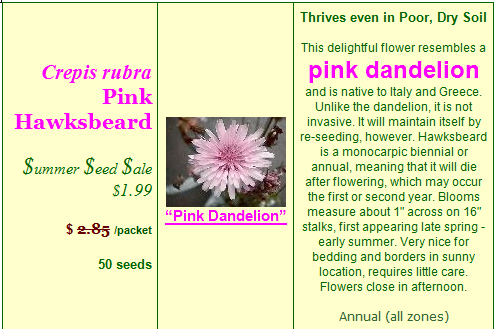
Click the Pretty Pink to order these dandelion relatives.
Dandelion root makes magenta when using alum as the mordant. Alum is a salt that in its most common form, potassium aluminum sulfate—or potash alum, is used as an additive in small amounts to make pickles and maraschino cherries, and in another common form, sodium aluminum sulfate, is an ingredient in commercially produced baking powder. If you use a tin (a “tin can” is a top commercial choice for storing food) and vinegar mordant you can get purple. Add no mordant to get a yellow dye, the color from using the flowers alone.
Would you like to make your own dandelion-dyed napkins and a matching tablecloth to enhance your enjoyment of every cup of dandelion tea you drink? Well, let’s get started! First, go get some dandelions.
How to dye using dandelions
Using an enamel or stainless steel pot that you will not be using for cooking, soak dandelion roots—or whole plants—overnight in water. Bring to a boil in the same water and then dip them out with a wooden spoon.
Wash the material you wish to dye in warm soapy water and keep it wet. The dye bath is your key to color. If you wish your pigment to be colorfast, put a mordant in the pot with one cup of water: about a half teaspoon of alum mordant for every two ounces of material, taking care not to breathe in the mordant fumes.
Heat—do not boil—gently and stir until dissolved, add 2 quarts water, and stir well to mix. Your saturated textile goes into this bath; bring up to a slow simmer. Turn down the heat as the water begins to boil; simmer 1 hour. Stir occasionally.
Note: When dyeing, ensure the fabric stays completely covered with water, and remember, materials appear darker wet than dry.
Turn off the heat, let cool, squeeze out excess water, and then rinse in warm water to remove the alum. Different dye materials will dye at different speeds. After the dyebath starts to simmer, check in 15 minutes if you wish to have a pale color. Leave the material in the dyebath longer for a deeper or richer color. For full color saturation, leave overnight in the dyebath. This dyeing process can make for a fun dandelion teatime; enjoy experimenting!
PRACTICE CONSERVATION To every rule there is an exception. Many folks consider dandelions the exception.
POSITIVE IDENTIFICATION Play it safe. If you can’t make a positive identification on the plants yourself, go to someone knowledgeable who can, or don’t eat them.
AVOID CONTAMINATED AREAS Don’t ingest plants contaminated with toxic build-up from roadsides or sprayed areas.
FORAGE WITH PERMISSION With dandelions, the owner usually gives not only permission but also encouragement.
HARVEST GUIDE Leaves to make dandelion tea: Best picked Late winter – early spring.
A FACT ABOUT GREENS The greener the leaf, the higher the food value.
PREPARATION Once you pick the dandelion greens, wash them thoroughly to remove dirt particles. When clean, store them in a plastic bag which has holes punched for circulation, keeping them cold and humid. Use them as soon as possible, since greens are quite perishable. Select young, tender leaves for the tastiest dandelion tea.
The benefits of dandelion as a herbal cure are plentiful. But is it really effective when it comes to acne?
Some people claim that when they were looking for natural cures for their acne, dandelion tea worked. This may have been incidental, or the lessening of the acne could well have been caused by the ingestion of dandelion tea. Let us first examine the properties of dandelion tea and see if they would indeed contribute to its effectiveness.
Dandelion is known as a hated weed. However, it is also recognized as a valuable medicinal herb. For example, it has been proven to have strong diuretic properties. This means it is good for expelling water and waste from the body. This would make it an excellent component for tea, which is why it is often marketed in tea form.
Expelling waste water and substances from the body helps in cleansing the liver, which in turn helps in creating a better blood circulation. The liver is instrumental to filtering out toxic elements in the bloodstream, but if the liver is overloaded with toxins, it is not able to do its job well.
Some believe that a poorly functioning liver or a bad bloodstream causes acne. However, the cause of acne is known to not be related to the liver, or to the bloodstream. Acne is caused by an overproduction of hormones, which is why it often happens in certain particularly hormonal stages in our life, like pubescence and pregnancy. Even with a healthy liver or circulatory system, acne may still take place if the hormone imbalance exists. It has also been scientifically proven that some people have a genetic predisposition to acne, which would explain why Caucasians are more prone to it than Asians are, although both races are of course prone to acne.
However, acne may be aggravated by a number of factors. Irritation caused by rubbing or scratching may cause an acne condition to become more aggressive, and even leave deep scars. Food allergies may also become manifest in acne outbreaks, regardless of whether or not they come with any other symptoms, such as shortness of breath and swelling in any part of the body or face.
If we’re worried about what’s going to “cure” acne, dandelion tea may not do the trick – however, its ability to cleanse the circulatory system may help in calming down or preventing acne outbreaks. It never hurts to keep the body clean – and it’s possible to do this with herbal substances, like dandelion tea.
Acne affects 90% of people worldwide. Some people are able to stop acne, with dandelion, dead in its tracks.
The factors responsible for stones are yet to be explored but one would refer to kidney stones as crystallizations dropping out of urine and obstruct of crystallizations may be like sands or a big marble. Very handfuls of them are smooth and others are not smooth making it difficult to pass.
Problems like pressure and stoppage in the kidney zone cause the typical pain for kidney stones. Stone’s location can be kidney or it splits and passes down the ureters. This is undoubtedly painful.
Struvite, calcium oxalate, cystine, and uric acid are four types of kidney stone and medical person can demarcate the different factors of stone development by twenty-four hour urine samples. Knowing this factor lets your physician apply particular therapy to lessen attacks of kidney stones. Calcium oxalate kidney stone is the usual one and extra calcium in the urine ties with further waste products for forming urinary calculi.
Kidney stones in varied size (like sand grain or a dime) have to get through a tube akin to the size of spaghetti from kidney to urinary tract and this tube is known as ureter. Passing the kidney stone according to doctor’s advice is truly painful. But, certain ways are there to complete this process almost effortlessly averting any further kidney stones.
The different things that give kidney stone relief:
Dandelionor Goldenrod
Being natural diuretic, dandelion raises urine output to help blood circulation through the kidneys. Importantly, dandelion is enriched with potassium like banana and it doesn’t reduce potassium like diuretics. Add two teaspoons of dried dandelion to a cup of steaming water to prepare dandelion tea and previous to drinking, steep it for fifteen minutes.
Goldenrod herb can cure inflammation created at the time of kidney stone passing. This herb aids you in passing kidney stones in tea form. The process of making goldenrod tea is like dandelion tea. As a difference, add two teaspoons of dried goldenrod here. Everything else remains same.
Gravel Root
It makes kidney stones softer giving rest to ureter. This accomplishes the passing process giving less pain. Moreover, it aids avoid further kidney stones and 30 drops of gravel root tincture thrice everyday are suggested by The Doctors Book of Herbal Home Remedies.
Marshmallow Root or Corn Silk
A layer of mucous membranes in our urinary tracts generally guards t urinary tract but this line of mucous is damaged when the kidney stone passes. Consuming marshmallow or corn silk tea is of paramount significance in recovering the damage of the urinary tract.
Two ounces of root to each quart of water to let the blending boil for almost 10 minutes prepares marshmallow root tea. Whereas, blending 1 ounce of corn silk with one pint of hot water prepares corn silk tea once you just let the blending be chill and gel for five minutes. The Doctors Book of Herbal Home Remedies recommends consuming 3 cups of such types everyday before every meal.
Such remedies aid in kidney stone’s passing (otherwise painful process) and complete the process effortlessly with minimum pain, giving you optimum kidney stone relief.
The first line of a little known song asks the question, “How many dandelions this year will grow?” Indeed, in some parts of the North America hills are yellow with dandelion flowers in the spring. Most are either ignored or poisoned as a nuisance. If we had known what this article will reveal, we might have gathered them instead of treating them as a curse.
The name dandelion comes from the French phrase ‘dent de lion,’ meaning ‘lion’s tooth.’ This refers to the jagged-edged leaves of this weed. The fancier scientific name is Taraxacum officinale. Unlike calendula (marigold) which is not the same annual flower found in American gardens, dandelion the herb is exactly what you think of growing in your yard or on a hillside. What makes this common weed so great?
All the dandelion plant is useful. The roots can be eaten as vegetables or roasted and ground to make a type of root “coffee.” A quick look through the internet reveals the flowers are used to make wine, in cooking (dandelion flower cookies?), a syrup, jam, and an oil to rub on sore joints. But the leaves have the most diverse list of uses.
First, dandelion leaf is an excellent source of sodium, iron, vitamins A and C, beta-carotene, and especially calcium. Dandelion might have been one of the “bitter herbs” mentioned in the Bible. The leaves add bitter flavoring to salads or can be cooked like spinach. The best leaves are those bright green ones that appear before the dandelion flowers in the spring.
One of dandelion leaf’s greatest claims to fame is its ability to purify the blood and body organs. It is a wonderful liver cleaner and increases the output of the liver, the flow of bile into the intestines and the activity of the pancreas and spleen. This makes it a great treatment for hepatitis, yellow jaundice, and other liver related problems. By purifying the blood, it helps with some types of anemia. The acids in the blood that build up with weight loss are destroyed by dandelion. It also helps with low blood pressure, and builds energy and endurance.
Dandelion is good for female organs. It enriches breast milk in nursing mothers and this, in turn, benefits both mother and child. It is good for women both before, during, and after pregnancy. Women suffering from premenstrual syndrome may find that the diuretic action of dandelion helps relieve some of the symptoms. In short, dandelion is safe and healthy for men, woman, children, and even animals.
Dandelion flowers are an excellent source of lecithin, a nutrient that elevates the brain’s acetylcholine. As a result, it may help retard or stop regression of mental ability caused by Alzheimer’s disease. Lecithin also helps the body maintain good liver function as mentioned before. Dandelion also opens the urinary passages as part of its cleansing work.
Native Americans used it to treat kidney disease, indigestion, and heartburn. Traditional Chinese Medicine uses dandelion to treat upper respiratory tract infections, including bronchitis and pneumonia.
Dandelion leaves and flowers are best when freshly picked. If this is not possible, the leaves can be refrigerated up to five days when wrapped in a plastic bag. Be sure to wash the leaves thoroughly before using. Leaves may also be frozen for longer periods of time. You can also dry the flowers and leaves yourself and store them in a dark, dry, and cool place. Use them in the bath to treat yeast infections, or to make your own Dandelion Tea (steep about 1 tablespoon of dried leaves in 1 cup hot water). Dandelion may also be purchased in capsules, tinctures, and powdered form.
Dandelion is generally regarded as safe, but some people report allergic or asthmatic reaction to this herb, especially those with allergies to ragweed or daisies. Traditionally dandelion is not recommended for patients with liver or gallbladder disease but some feel this advice is erroneous.
There are more benefits of cut dandelion leaf to be discovered. Visit More Than Alive, an online store for bulk herbs and a trusted resource where you can get cut dandelion leaf and cut dandelion root and learn about the great advantages your body will receive from this and many other herbs.
If you have an ache in your lower back, the neck, the back of the head and the shoulders, you may have an ill called Fibromyalgia. Fibromyalgia is a disorder that affects these as mentioned before. There is no known primary cause of fibromyalgia, although inflammation and poor circulation are the principle causes of the excruciating muscular pain experienced by those with the condition. Many consider herbal remedies to be a viable way to treat fibromyalgia’s symptoms. Herbs like dandelion, cayenne, echinacea and astragalus could help fibromyalgia sufferers.
To make your herbal remedies for the fibromyalagia you should prepare herbs include Burdock root, Dandelion, Astragalus, Wintergreen oil, Echinacea, Red clover, Cayenne. These herbs are very useful for the fibromyalgia sufferers.
A mixture dandelion tea is good for the fibromyalgia sufferers. You should brew a tea of dandelion, burdock root and red clover. It will enhance your body’s immunity and clean out your bloodstream. For the best results, drink between 4 and 6 cups a day. Alternatively, you can also take 1 tbsp. of dandelion juice twice a day. On the other hand, you should apply a mixture of 1 part cayenne and 3 parts wintergreen oil topically. Cayenne contains capsaicin, a chemical that inhibits pain-causing neurotransmitters. Pick up some echinacea and astragalus to aid with immune system function. Remove parasites within the body with black walnut leaves or nuts. Favor ginger over aspirin for pain. Ginger is sold in 1,000 to 2,000 milligram capsules at health food stores across the country as well as on the Internet. You can also take ginger in tea form by taking 1 tsp. of ground ginger root and steeping it in 8 ounces of boiling water for 10 minutes.
Use calendula to help reverse the effects of fibromyalgia. Many alternative medicine practitioners recommend that fibromyalgia sufferers take calendula in high doses on a daily basis. To ensure quality, buy your herbs from your local health food store or a trusted organic grower. Herbs bought in-store may be slightly less expensive than those bought from a grower, due to the quality of specially-harvested herbs. You shouldn’t replace the care of a physician with herbal remedies, especially when you’re experiencing potentially life-threatening symptoms. Any time you experience serious symptoms, contact your doctor immediately. If you have difficulty breathing, heart problems or severe pain, you should stop the herbs and contract your doctor as soon as possible. If you start vomiting blood which means your life is in danger, you should go to the nearest hospital immediately.
Many people think of Dandelions as a nuisance. This time of year, I always hear folks sharing ideas on how to get rid of those darn dandelions and which poisons work the best. On the other end of the spectrum, there are those throughout the world who welcome and embrace the dandelion as both food and medicine. The dandelion is a wild vegetable that is abundant, extremely nutritious and still free. The parts used are mostly the leaves and root. They are high in vitamin A, B, C, beta carotene, minerals and fiber. Dandelions act as a natural diuretic and are a popular blood and liver cleanser. They are also considered a general tonic to help nourish and strengthen the liver, gallbladder, pancreas, spleen, kidneys, stomach and intestines. Dandelions have been known to help with anemia, cirrhosis of the liver, hepatitis, and jaundice, reducing serum cholesterol and uric acid levels. Dandelions have even relieved menopausal symptoms for some. Hot flashes have been linked to liver congestion in certain individuals. When there is liver congestion, previously used hormones that are ready for discard become trapped in the liver, recycled and used repeatedly, eventually causing toxicity. Then there are those who just love to cook with dandelions. Dr Peter Gail, founder and president of The Defenders of Dandelions, has researched recipes and folklore on wild plant use by people throughout the world. He has collected over 3000 recipes for 105 plants, including over 600 for dandelions. He began eating weeds as a young boy as a necessity for survival after a friend introduced Gail’s family to them. In 1994, to promote the use of dandelions, Dr Gail’s company, Goosefoot Acres, decided to sponsor a national dandelion cook off in Dover Ohio. It is held the first weekend in May every year and draws people from all over the country eager to enter their favorite dandelion dish in the contest. If you are ready to go out and pick some dandelion greens, it’s best to pick the leaves when they are young and tender, especially if you are going to eat them raw. This is before it flowers. After it flowers, merely cut the plant back to the root and in about 2 weeks or so you will have more tender leaves. This can be done all summer. It may be unhealthy to pick and eat dandelions from soil that has been exposed to repeated applications of herbicide. Chris Atzberger of Columbus Ohio has a recipe for the Classic Dandelion Salad that serves 4.
Half lb. fresh dandelion leaves, chopped,
1 small onion minced, 8 oz. fresh mushrooms chopped,
2 T. balsamic vinegar,
3 T. olive oil, half t. salt,
0ne eighth t. black pepper.
Toss and serve. I also like mixing dandelion greens in with my other salad greens. They can also be cooked like any green. I wouldn’t discard the water after draining, for that’s were most of the nutrients are. My wife prefers steaming the greens in a little water or sauteing them in a little olive oil, garlic, salt and pepper. Here is a refreshing dandelion and tomato appetizer recipe offered by Gail Harshbarger of Akron Ohio that would complement at any summer picnic.
15 Roma tomatoes or 8 other tomatoes,
half c. onions, finely chopped,
1 clove garlic finely minced,
one fourth c. sweet yellow pepper diced,
one fourth c. sweet red pepper diced,
2 c. dandelion leaves, chopped,
1 c. feta cheese crumbled.
One half to three fourth cup c. red wine or Italian dressing,
half teaspoon of your favorite mixed dry herbs,
1 t. Worcestershire sauce,
One fourth c. Parmesan cheese.
Mix all ingredients in a bowl except for the tomatoes. Chill for 1 hour. Cut tomatoes in half and scoop out the inside. Stuff dandelion mixture into the tomatoes and sprinkle with Parmesan cheese. My wife usually adds what she scooped out of the tomatoes to the dandelion mixture before chilling. It can also be baked. The dandelion root is the part used mostly for medicinal purposes. It may be dug up, dried, cut up then made into a tea. It must be simmered for 30 minutes or so. If you would like to enjoy some of the health benefits of dandelion but are not that adventurous, dandelion tea may be purchased as well as the capsules. The dandelion root is also used to make a tasty and nutritious coffee substitute called, dandy blend. Dandy blend had a delicious coffee-like flavor that can also be used in baking or added to vanilla ice cream to give a delicious creamy coffee flavor. When I see dandelions, I admire their beauty and give them thanks for all their medicinal gifts…so please be kind to your dandelions.
This article provided by Michael Comeau and is for informational purpose only. It is not intended to diagnose treat or cure any disease. Always consult with your doctor when seeking medical advice. Michael Comeau has been owner of many successful businesses.
We support Kairos Prison Ministry, in person and online. www.kairosprisonministry.org
This link is approved by Kairos, and we are using their registered logo.
Copyright 2019 Able to Help, Inc. All Rights Reserved Permission to republish any Post in print or online must be granted by the author in writing.
Founded in 1999, eVitamins carry over 25,000 products and are
directly integrated with over 600 different manufacturers to ensure
they sell only authentic and genuine products at the lowest price.
By delivering the freshest products to their customers at the lowest
price, they will consistently provide the best value for their
customers worldwide who shop for health and beauty products online.
Get free shipping and a 10 year warranty on Hurom juicers!
VitaNet
A
wide selection of teas and many exciting all-natural products.
Click here for 17,000+ discount vitamins &
other health products!
 We are glad for your visit—and hope you return often. We value you and welcome your comments!